ADA compliance isn’t just a guideline; it’s a legal standard. Websites that fail to meet accessibility requirements can face legal challenges, reputational damage, and loss of valuable customer trust.
Accessible Web Design for an Inclusive Digital Experience
At Trinity Web Designs, we build websites with accessibility in mind from the ground up. Our process includes thorough testing with accessibility tools, clear and readable content, logical navigation, and design elements that meet ADA standards. We go beyond compliance, integrating best practices to create a seamless, inclusive experience for all users. By partnering with us, you ensure that your website not only meets regulatory standards but also delivers an intuitive and enjoyable experience for everyone who visits.
Creating Connections Through Accessibility
An ADA-compliant website does more than meet guidelines; it ensures that everyone, regardless of ability, can connect with your business online. Here are some key elements we include to create a welcoming, accessible experience for all your visitors.
Effortless Navigation
Thoughtfully designed pathways make it easy for every visitor to find essential information and services.
Enhanced Readability
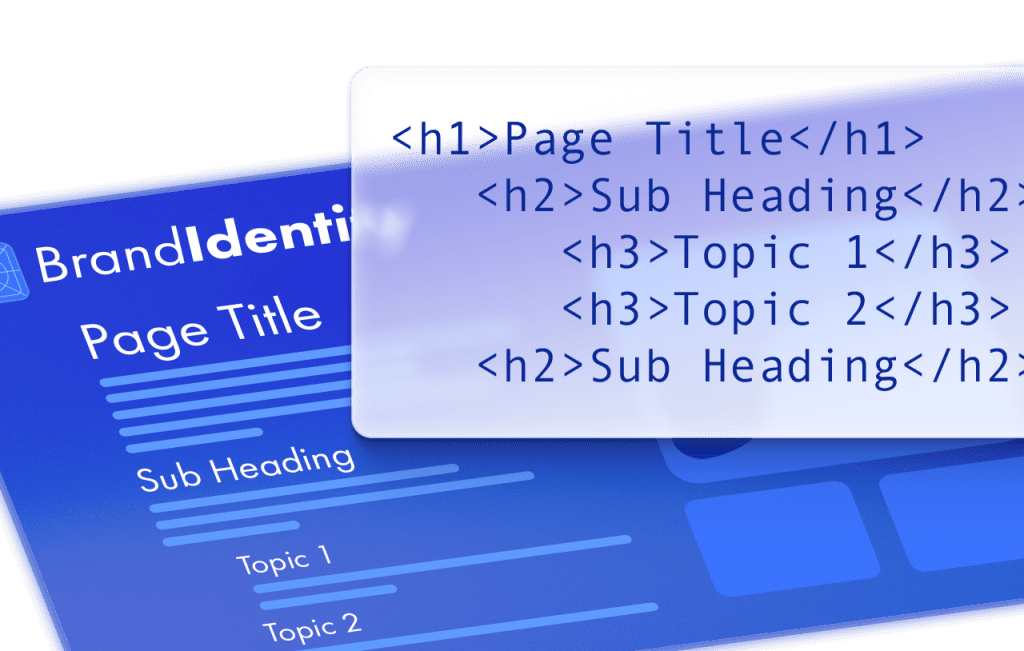
Clear, structured content improves understanding and keeps your message accessible to all audiences.
Inclusivity by Design
An inclusive web experience allows everyone, regardless of ability, to engage meaningfully with your brand.
Our Expertise in Accessible web design
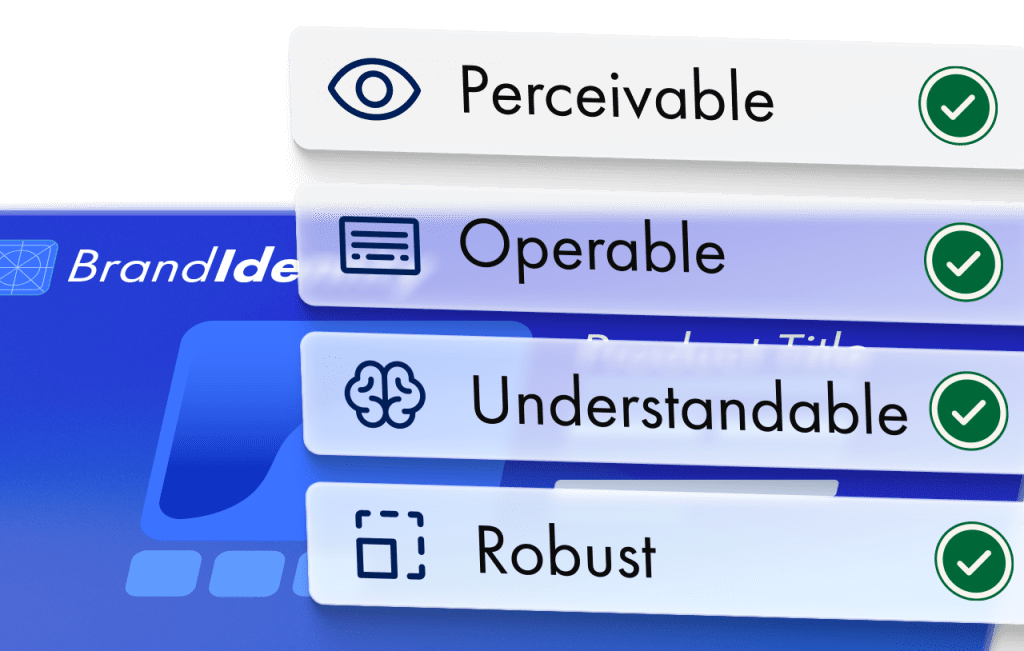
Our web design process captures the essence of your business with a focus on smooth functionality and engaging visuals. We incorporate accessible design principles where possible, ensuring a user-friendly experience that aligns with perceptibility, operability, understandability, and robust technology. Here’s our approach to bringing your vision to life with an eye toward inclusivity and accessibility.
Find out if your website is compliant
Lorem ipsum dolor sit amet, consectetur adipiscing elit. Ut elit tellus, luctus nec ullamcorper mattis, pulvinar dapibus leo.
Free ADA Scan
WCAG Guidelines
What are the rules you may ask in making sure your website is ADA compliant? Over the years there has been a set of guidelines with different levels of compliance that you can follow to ensure you are ADA compliant. These guidelines are called WCAG (Web Content Accessibility Guidelines) with three different levels A being the least compliant, AA is the standard, and AAA is the most compliant and difficult to achieve.
Perceivable
Information and user interface components must be presented in ways that users can perceive. This means using text alternatives for images, providing captions for videos, and ensuring content is accessible to screen readers.
Operable
Navigation and interface elements should be easy to operate. For example, users must be able to navigate the site using a keyboard and should not encounter content that triggers seizures.
Understandable
Content and interface functionality should be clear and easy to understand. This includes readable text, clear instructions, and predictable navigation patterns to prevent confusion.
Robust
Content should be compatible with a wide range of assistive technologies, ensuring it remains accessible as technologies evolve. For example, websites should use clean code that adapts well across different browsers and devices.